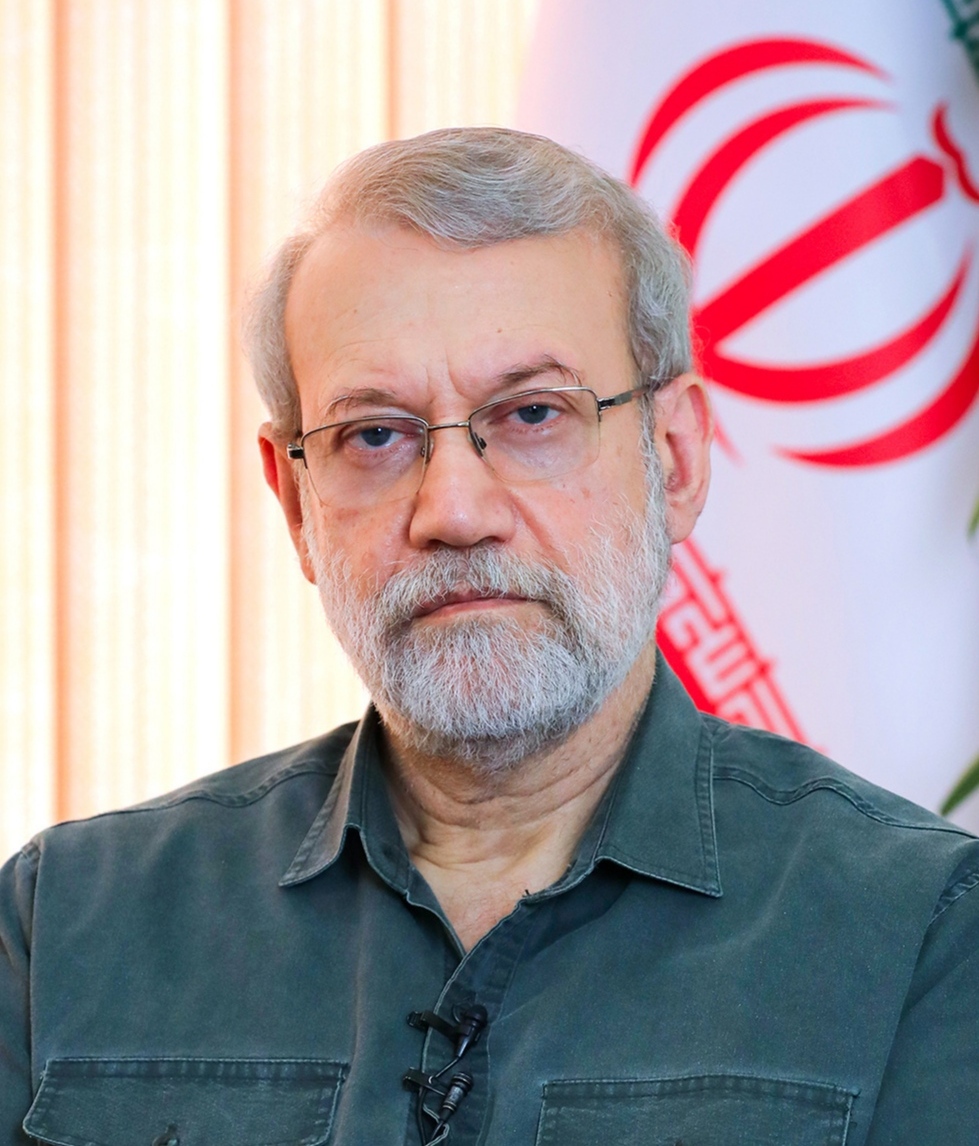
Larijani Blames Trump's 'Delusional Actions' for Mideast Chaos, Shuts Door on US Talks
In a striking pronouncement that reverberated across global diplomatic circles, Ali Larijani, Iran’s powerful Secretary of the Supreme National Security Council, has unequivocally declared that Tehran will not engage in negotiations with the United States. His statement, delivered amidst escalating tensions in the Middle East, directly blamed former US President Donald Trump’s "delusional actions" and "fantasies" for plunging the region into an unprecedented state of chaos. This hardened stance from a key figure in Iranian leadership signals a significant diplomatic rupture, underscoring the deep mistrust that defines current
larijani usa relations and the formidable challenges ahead for any de-escalation efforts.
Iran's Unwavering Stance: No Negotiations with Washington
Larijani's firm rejection of talks came in response to persistent media reports suggesting that Iranian officials had sought to initiate backchannel diplomacy with the Trump administration. Specifically, The Wall Street Journal had indicated that Larijani himself had attempted to reopen nuclear negotiations via Omani mediators following a wave of US-Israeli strikes on Iran. However, Larijani, a long-time influential figure and adviser within Iran's political establishment, swiftly and publicly denied these claims. In a post on X (formerly Twitter), he asserted, "We will not negotiate with the United States."
This declaration is more than just a denial; it's a strategic move to reinforce Iran's non-negotiable position, particularly in the wake of heightened military confrontations. The context includes recent US-Israeli strikes against Iranian assets, raising fears of a broader regional conflict. For the Iranian leadership, engaging in talks at this juncture might be perceived as a sign of weakness or concession, which they are clearly unwilling to project. The message from Larijani is clear: diplomacy with the United States is currently off the table, at least under the shadow of what Tehran views as aggressive foreign policy. This posture reflects a deliberate choice to prioritize resistance and strengthen internal unity rather than pursue dialogue perceived as futile or conditional on capitulation.
Trump's "Delusional Actions" Accused of Fueling Regional Chaos
Beyond merely shutting the door on negotiations, Larijani launched a scathing attack on Donald Trump, holding him personally responsible for the current state of turmoil in the Middle East. Larijani accused Trump of having "plunged the region into chaos with his 'delusional fantasies'" and now fearing "more American troop casualties." This pointed criticism highlights Iran's long-held grievances against Trump's maximum pressure campaign, withdrawal from the Joint Comprehensive Plan of Action (JCPOA), and his administration's close alignment with Israel.
Larijani didn't stop there. He further contended that Trump's "delusional actions" had transformed his signature slogan of "'America First' into 'Israel First'," implying that American soldiers were being sacrificed for Israel's strategic objectives. This accusation is designed to resonate both domestically within Iran and internationally, framing US policy in the region as serving external interests rather than its own, thereby undermining its credibility. Such strong rhetoric from a senior security official like Larijani underscores the profound animosity and distrust that characterize
larijani usa relations, making any future diplomatic thaw incredibly challenging. It also reflects a calculated effort by Tehran to deflect blame for regional instability and rally support for its own actions by portraying itself as a victim of external aggression.
Expanding Conflict and the Diplomatic Stalemate
The backdrop to Larijani's remarks is a region teetering on the brink, with military exchanges increasingly spreading beyond Iran and Israel into neighboring countries. This expansion of conflict zones raises serious fears of a wider, more devastating regional war. Larijani’s insistence that Iranian forces "did not initiate the invasion" serves to counter narratives that portray Iran as the primary aggressor, instead framing its actions as defensive responses to external provocations.
Adding another layer of complexity, Trump had previously claimed that Iran's new leadership was seeking renewed negotiations, though he provided no specific details. Larijani's public rejection effectively nullified any such perception, reinforcing Tehran's message that confrontation, rather than dialogue, is its current strategic priority. This diplomatic rupture highlights a significant hardening of Iran's posture, signaling that the path to de-escalation will be arduous. The immediate future of the Middle East, therefore, appears to be defined by continued military and political tensions, with diplomatic channels seemingly blocked by deep-seated mistrust and conflicting strategic imperatives between the
larijani usa relationship. The international community watches with bated breath as the rhetoric escalates and the potential for miscalculation grows.
Navigating the Geopolitical Tightrope: Implications for Global Diplomacy
The statements from Ali Larijani are not just rhetorical flourishes; they carry substantial implications for global diplomacy and regional stability. This hardened stance from Iran suggests a prolonged period of geopolitical tension, with little appetite for compromise from Tehran. For international actors, understanding this unyielding position is crucial for crafting effective strategies that can either contain the conflict or, eventually, facilitate de-escalation.
Here are some insights and considerations for navigating this complex landscape:
- Understanding Iran's Strategic Calculus: Tehran's rejection of talks often signals a belief that negotiation from a position of perceived weakness is counterproductive. Their current strategy appears focused on projecting strength and resilience in the face of external pressure. This includes bolstering regional alliances and demonstrating retaliatory capabilities.
- The Role of Third-Party Mediators: While direct talks between larijani usa are dismissed, the potential role of third-party mediators like Oman or Qatar remains vital. These nations, with historical ties to both sides, may serve as critical conduits for de-escalation messaging, even if formal negotiations are off the table. Their behind-the-scenes efforts could prevent miscalculations that lead to wider conflict.
- Impact on Regional Alliances: Iran's stance will likely solidify its relationships with allies in the "Axis of Resistance," while further alienating states aligned with the US and Israel. This could lead to a more entrenched division within the Middle East, making unified regional solutions even more elusive.
- Domestic Political Dynamics: It's important to remember that such strong public statements also serve a domestic purpose. They aim to rally internal support, project strength to the populace, and consolidate power within the Iranian leadership, especially during periods of external pressure.
- Risk of Escalation: With diplomatic channels largely shut, the risk of accidental escalation due to misinterpretation or miscalculation of military movements increases significantly. This calls for extreme caution from all parties involved and robust mechanisms for de-confliction, even informal ones.
Understanding the nuances of these interactions, the historical context of mistrust, and the domestic drivers of foreign policy is paramount for anyone seeking to analyze or influence the volatile dynamics between the
larijani usa relationship.
Conclusion: A Deepening Stalemate in US-Iran Relations
Ali Larijani's unequivocal rejection of negotiations with the United States and his sharp indictment of Donald Trump's "delusional actions" mark a critical moment in the ongoing US-Iran standoff. By firmly shutting the door on diplomacy and assigning blame directly to the US, Iran's top security official has underscored a hardened posture, seemingly prioritizing confrontation over dialogue in the near term. As military exchanges escalate across the Middle East, fueled by deep-seated mistrust and conflicting narratives, the prospect of a wider regional war looms large. The future of
larijani usa relations remains fraught with peril, demanding cautious navigation from all global actors to prevent further escalation and to eventually pave a path, however challenging, toward stability in a profoundly destabilized region.